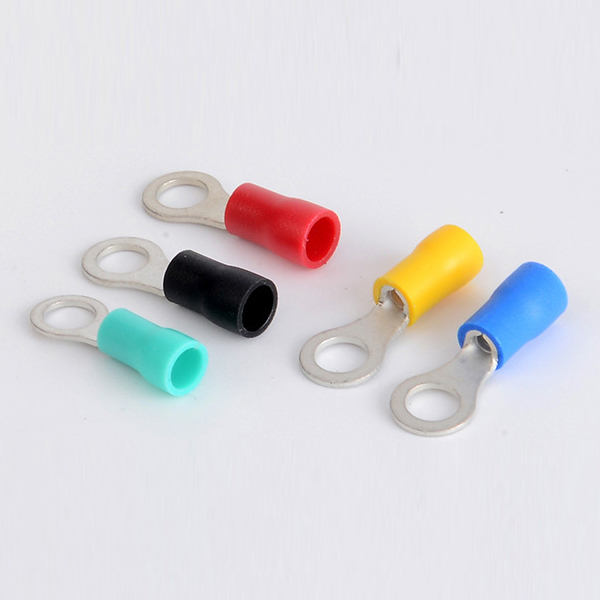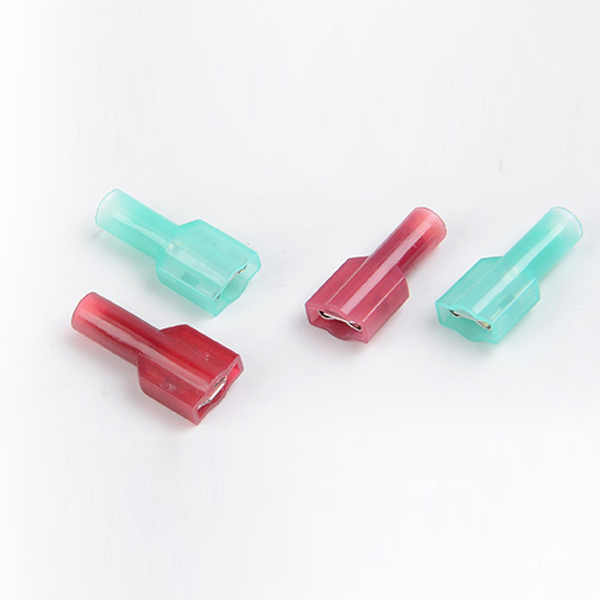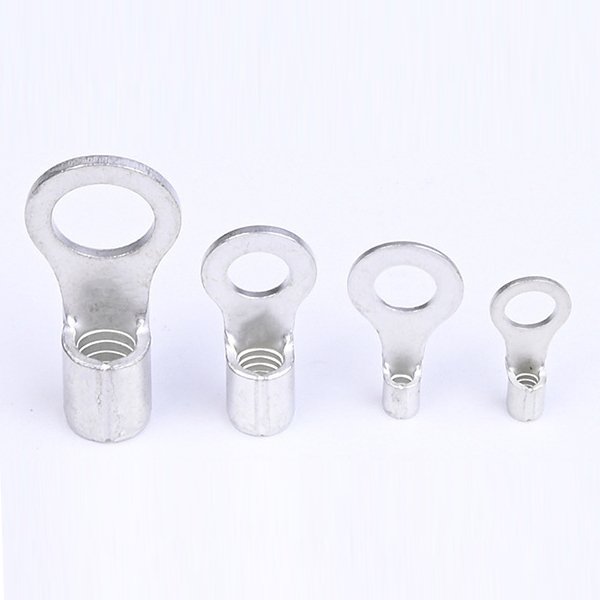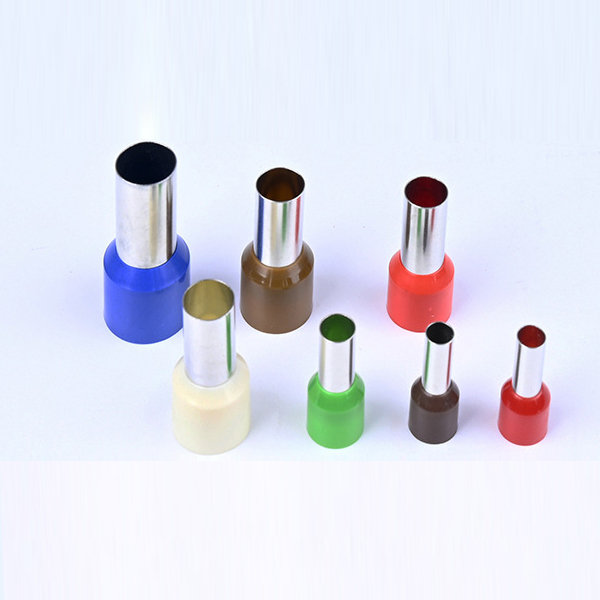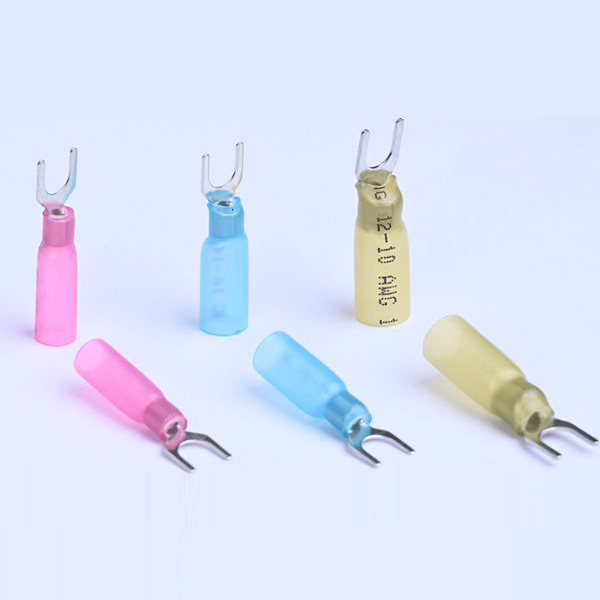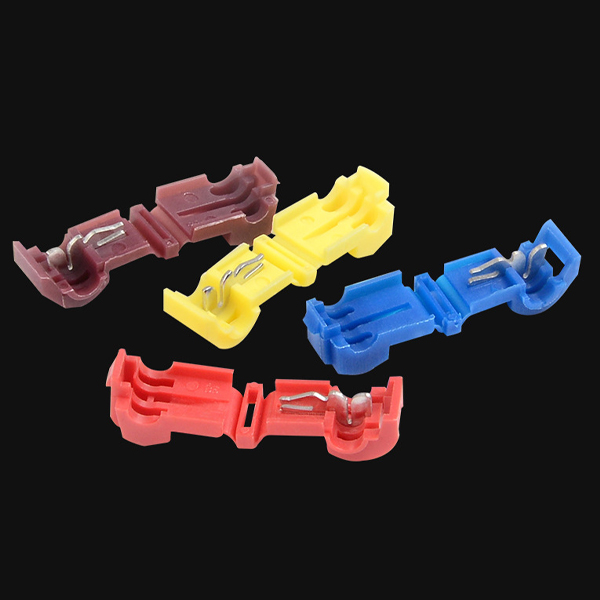

Cold-pressed terminals are commonly used tools for electrical connections. They can effectively connect wires together while ensuring the firmness and stability of the connection. When using cold-pressed terminals, certain precautions must be taken to guarantee connection quality and safety. This article will explain how to use cold-pressed terminals correctly.
I. Select the Appropriate Cold-Pressed Terminal
When choosing a cold-pressed terminal, select the correct specification based on the wire’s diameter and quantity. Terminals of different specifications are suitable for wires of different diameters—using an inappropriate specification may result in loose joints or even circuit failures. In addition, cold-pressed terminals come in various models and materials (such as copper and aluminum), which should also be selected according to specific requirements.
II. Preparation Work
Before crimping, strip a section of insulation from the wire to expose the metal conductor. The stripped length should be appropriate: excessively long wires will cause the terminal to occupy too much space, while excessively short wires will affect connection quality. Additionally, ensure the wire surface is clean, free of grease, oxides, or other contaminants that could compromise joint stability.
III. Usage Method
Insert the wire into the hole of the cold-pressed terminal—generally, it should be inserted to about 2/3 of the hole’s depth. After insertion, use pliers to clamp the terminal’s crimping part gently until the wire cannot be pulled out easily. During crimping, control the force: excessive force may damage the wire, while insufficient force will fail to ensure a firm joint.
IV. Inspection and Testing
After completing the crimping, inspect and test the joint. First, check if the wire is firmly clamped with no loosening or defects. Second, conduct an electrical test to confirm the joint is correctly connected and the circuit is unobstructed. During testing, prioritize personal safety to avoid electric shock, short circuits, or other hazards.
In summary, using cold-pressed terminals can improve the quality and stability of electrical connections, but it is essential to select appropriate specifications and materials, follow correct usage methods, and perform thorough inspections. Proper use of cold-pressed terminals ensures circuit safety and reliability.
V. Common Problems and Solutions
1. Loose or disconnected joints after connection
Possible causes: Insufficient crimping force or incorrect terminal specification.
Solution: Check if the crimping force is adequate—re-crimp if necessary. Verify that the selected terminal specification matches the wire.
2. Wire breakage or deformation after connection
Possible causes: Excessive crimping force or oversized wire diameter.
Solution: Check if the wire is too thick—replace with a terminal of appropriate specification if needed. Control crimping force to avoid overexertion.
3. Poor circuit conductivity after connection
Possible causes: Contaminants (grease, oxides, etc.) on the wire surface or incorrect terminal specification.
Solution: Clean the wire surface to remove contaminants. Confirm the terminal specification is suitable for the wire.
VI. Safety Precautions
Use insulated tools when operating to prevent electric shock.
Maintain stability of hands and tools during wiring to avoid accidental injury.
Prioritize personal safety during circuit testing to avoid electric shock, short circuits, or other hazards.
Consult professionals promptly if unfamiliar with usage methods or encountering problems.
VII. Conclusion
Cold-pressed terminals are essential electrical connection tools—proper use enhances circuit safety and reliability. When using them, select appropriate specifications and materials, follow correct operational procedures, conduct thorough inspections, and adhere to safety precautions to protect yourself and others. By using cold-pressed terminals correctly, we can better ensure the quality and stability of electrical connections.