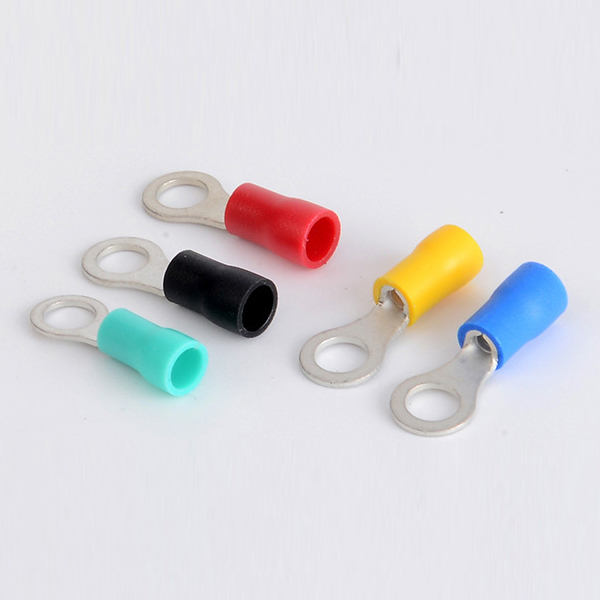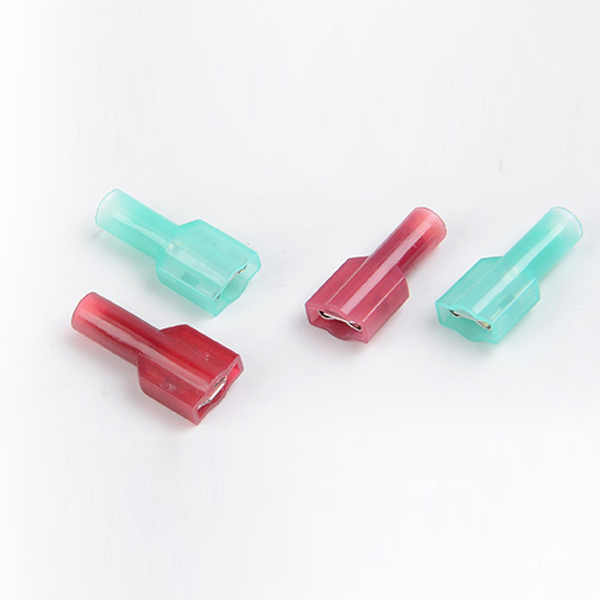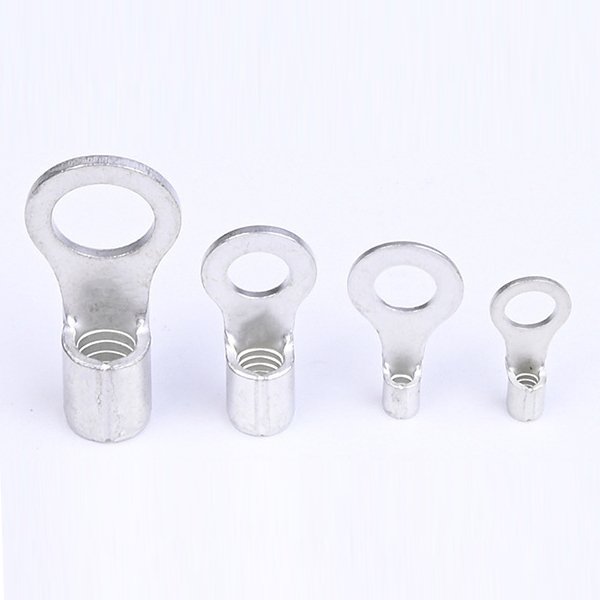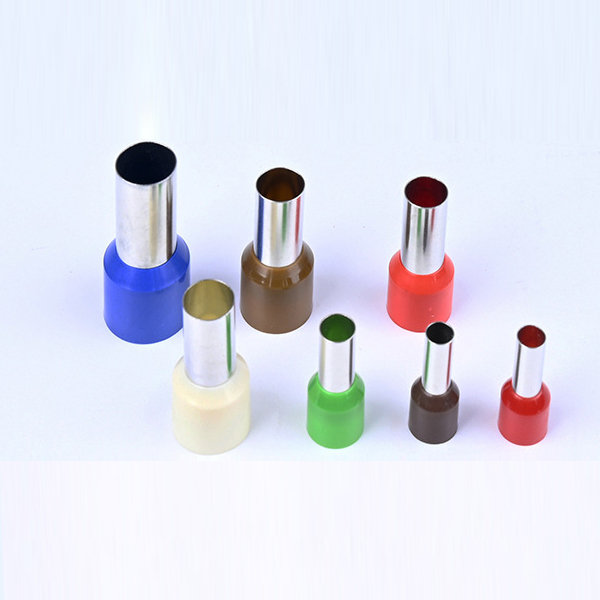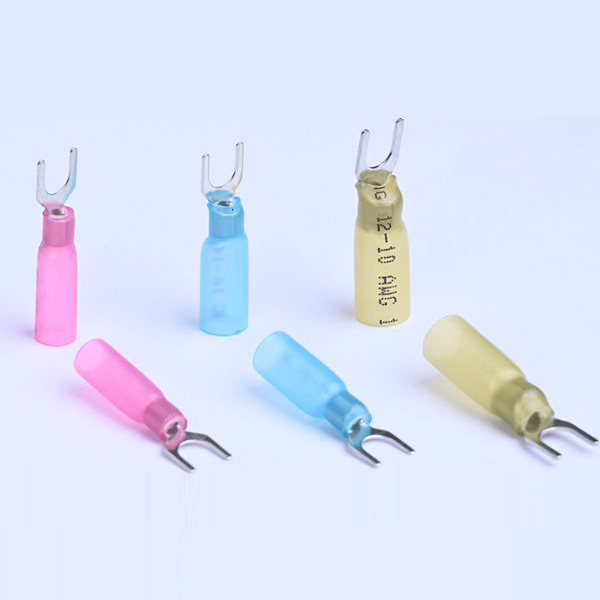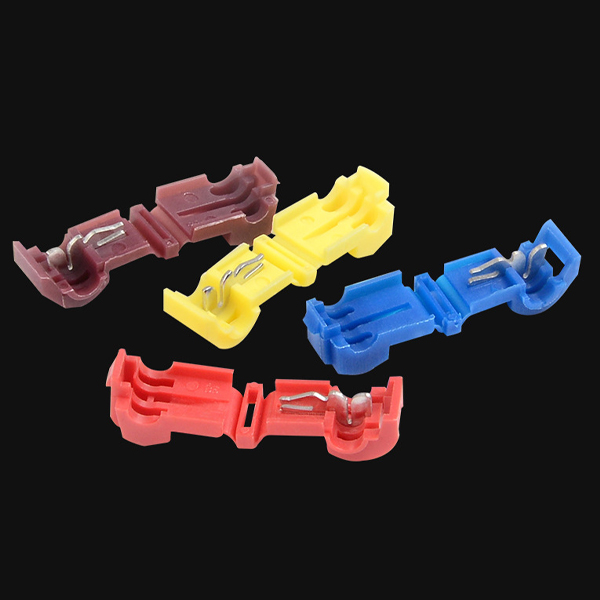

Cold-pressed terminals are electrical accessories that achieve wire connection through mechanical crimping. They can be divided into more than 20 types such as insulated/bare terminals, tubular/Y-type terminals, and are widely used in power systems, home appliance installation and other fields. The following is a systematic analysis from product classification, core advantages and purchasing key points.
Types and Structure of Cold-Pressed Terminals
Classification System: Divided by shape into tubular, fork-shaped, round and other types; divided by insulation into pre-insulated terminals (temperature resistance 105℃) and bare terminals.
Typical Structure: The main body is made of tinned red copper, and the pre-insulation layer is PA66 engineering plastic, complying with the DIN46228-1990 standard.
Extended Types: Including PCB board terminals, spring terminals, bullet-shaped fully insulated terminals and other subdivided categories.
Application Scenarios and Advantages of Cold-Pressed Terminals
1. Industrial Field
Power systems: Used for wire connection in power distribution cabinets to avoid overheating caused by poor contact.
Automation equipment: Realize fast and reliable wiring in PLC control cabinets.
2. Civilian Field
Home decoration scenarios: Replace traditional twisting method to improve the reliability of socket wiring.
Electrical repair: Standardize the processing of multi-core wires to prevent copper wires from scattering and branching.
3. Technical Advantages
Contact resistance ≤ 0.5mΩ (test current 50A).
Crimping strength ≥ 60N (tested with wire diameter 4mm²).
Purchasing Suggestions for Cold-Pressed Terminals
1. Material Identification: Prioritize tinned red copper materials (conductivity ≥ 98%) and avoid brass-plated products.
2. Specification Matching
Wire diameter correspondence: For example, RV1.5-4 is suitable for 1.5-4mm² wires.
Color distinction: Red (0.5-1.5mm²), blue (2.5-4mm²).
3. Tool Adaptation: It is recommended to use double-tooth crimping pliers (pressure range 200-400N).
4. Certification Standards: Pay attention to products with CE and RoHS certifications; industrial scenarios require compliance with the UL1977 standard.